





Enterprise-Grade Custom WordPress Architecture vs. Heavy Page Builders
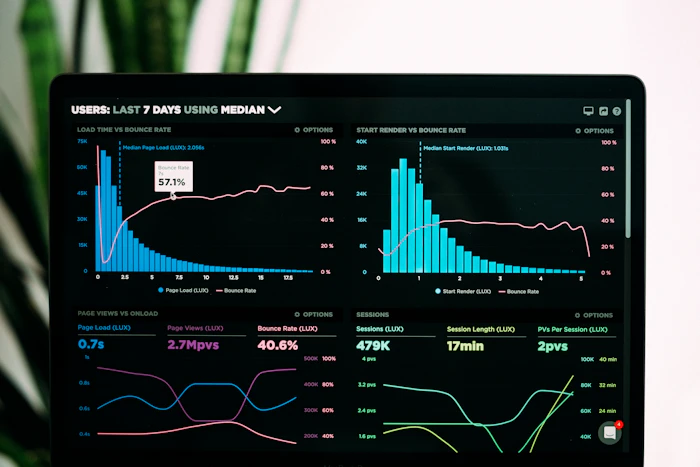
In modern search engine optimization (SEO), Google and Bing prioritize speed, structural semantic markup, and optimal User Experience signals under Core Web Vitals (specifically Largest Contentful Paint - LCP, Interaction to Next Paint - INP, and Cumulative Layout Shift - CLS). Many businesses suffer from sluggish loading speeds because their websites rely on dozens of third-party plugins and legacy page builders that generate excessive DOM depth, unminified CSS, and blocking JavaScript execution.
As a specialized WordPress Theme Developer and Shopify Developer, my architectural philosophy centers on clean code, tailored component architecture, and zero bloat. By leveraging Advanced Custom Fields (ACF Pro) in tandem with native WordPress Gutenberg blocks, we achieve:
- Sub-Second Loading Speeds: Consistently scoring 90–100 on Google PageSpeed Insights on both mobile and desktop.
- Streamlined Client Backends: Removing technical confusion so non-technical content editors can update copy, images, and repeating blocks with zero risk of breaking the front-end layout.
- Lean Database Queries: Utilizing custom taxonomies, selective post meta queries (
WP_Query), and transients to keep server response time (TTFB) under 200 milliseconds.
Mastering ACF Pro, Gutenberg Blocks & Relational Dynamic Data
The video case studies showcased above illustrate our advanced utilization of ACF Views, Extended Views, and custom Gutenberg block registration (acf_register_block_type). Instead of locking clients into rigid, proprietary builder ecosystems, we provide:
- ACF Flexible Content Layouts: Enabling marketing teams to assemble modular landing pages from pre-tested, responsive component libraries.
- Bidirectional Post Relationships: Seamlessly linking authors, real estate agents, properties, case studies, and products without data duplication.
- Custom REST API Endpoints: Connecting WordPress to headless frontends, mobile applications, CRM platforms, and custom AJAX filtering systems.
Figma / PSD to Pixel-Perfect WordPress, Elementor & Shopify Conversion
Converting high-fidelity UI/UX design files (Figma, Adobe XD, Sketch, Photoshop) into functional web applications requires an eye for detail, typographic hierarchy, and responsive fluid spacing. Whether deploying on Elementor Pro (Flexbox Containers), Divi Builder, or Custom Shopify Liquid Themes, every project adheres to:
- 100% Design Fidelity: Exact match on paddings, border radii, brand color hex codes, and typography scales across 4K displays down to 320px mobile screens.
- Accessible & SEO-Semantic HTML5: Clean
<header>,<nav>,<main>,<article>, and<footer>tagging with automated ARIA labels for screen readers. - Multi-Language Infrastructure: Complete localization support using WPML, Polylang, or Shopify Translate with automated hreflang tags for international search ranking.
Frequently Asked Questions (FAQs) for Search & Clients
Q1: Why should I choose custom ACF theme development over an off-the-shelf theme?
Pre-made Marketplace themes are designed to serve every possible business, resulting in hundreds of unused features, massive CSS stylesheets, and vulnerability risks. A bespoke ACF custom theme contains only what your business requires—running up to 4x faster, securing higher Google search rankings, and eliminating yearly theme update conflicts.
Q2: How do your video walkthroughs help my project?
Handing over a website without documentation leads to frustration. For every build, I record clear, step-by-step video overviews explaining how your custom features were programmed, how to publish new pages, and how to manage leads effortlessly.
Q3: What information do you need to start a custom build?
To get started, we typically require your design files (Figma, Adobe XD, or live reference URLs), hosting access, and an overview of any specialized integrations (payment gateways, CRM webhooks, multi-language setup).